
SABSUS Academy: Setup Lessons for POS, CRM, Inventory, Delivery and White-Label LaunchSABSUS Academy: уроки настройки POS, CRM и склада
The site already has many guides, but a buyer or team member needs a visible learning path. SABSUS Academy turns scattered how-to articles into a sequence: setup, daily operations, growth, automation, white-label launch and owner control.Учебный хаб SABSUS: onboarding, уроки настройки, операционные чеклисты и обучение владельца.
Each lesson should answer what the user is trying to do, what must be ready first, which steps matter, how to check the result and which lesson comes next.
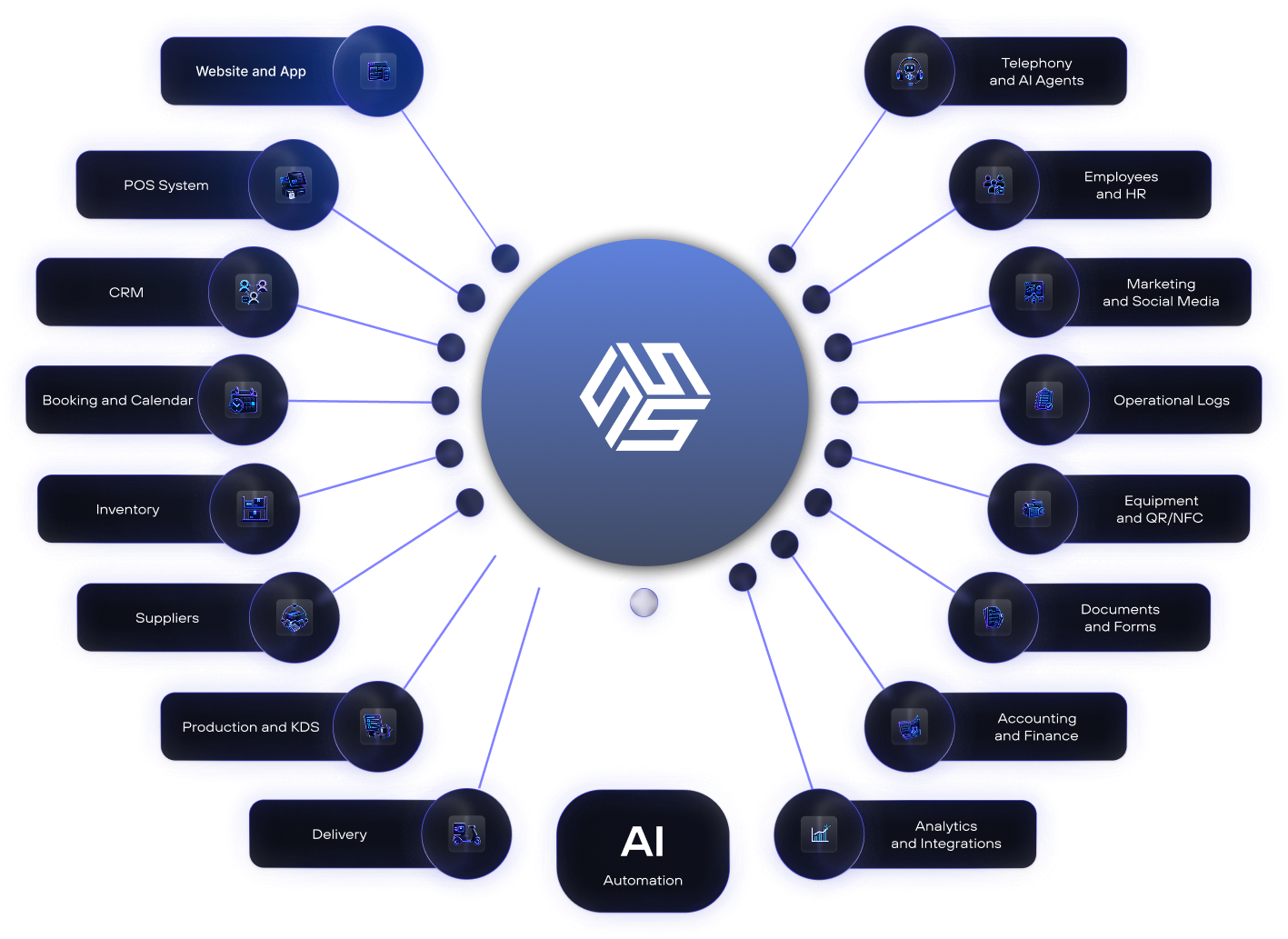
Кратко на русском
Учебный хаб SABSUS: onboarding, уроки настройки, операционные чеклисты и обучение владельца.
- Проверьте, какой поисковый вопрос закрывает страница: заказ, запись, POS, CRM, склад, доставка, клиентское приложение или сравнение решений.
- Свяжите страницу с реальными операциями SABSUS: клиент, заказ, сотрудник, склад, оплата, доставка, отчет и автоматизация.
- Дайте следующий шаг: перейти к демо, тарифам, нишевой странице, модулю или практическому уроку.
Core topic clusters
Catalog, products, inventory, POS, CRM, ordering channels, payments and user roles.
Orders, statuses, staff tasks, delivery zones, customer notifications, documents and daily review.
Customer app, loyalty, repeat sales, reviews, direct ordering, analytics and multi-location readiness.
Branding, domain, customer app, launch checklist, support handoff and client data ownership.
What to build first
Start with pages that can carry a buyer decision. A hub is useful only when it points to complete articles, module pages, comparison pages and lessons that answer real questions. If the linked page is thin, duplicated or only a placeholder, it should be completed before it is promoted.
For SABSUS, the strongest path is to connect education with the product model. The page should explain the business problem, the public-facing customer action and the internal workflow that makes the promise reliable. That means SEO and GEO content should not float away from POS, CRM, inventory, delivery, customer app, payments, staff tasks, analytics and automation.
Each new article should include a clear answer near the top, a practical checklist, a comparison or decision section, an FAQ block and links to relevant SABSUS modules. This makes the content easier for users to scan and easier for search systems to classify.
Do not create mass pages for every small phrase variation. Build fewer pages with stronger usefulness, then expand based on real queries, Search Console data, buyer questions and competitor gaps.
Quality rules for this hub
- No page should stay in the sitemap if it says it is moved, prepared or coming soon.
- Every indexed lesson or guide needs visible text, internal links, FAQ and structured data that matches the page.
- Claims about ordering, booking, delivery, inventory or automation should be supported by a workflow explanation or module link.
- Comparison content should explain fit and tradeoffs instead of only saying SABSUS is better.
- Location or industry content should include real operational details, not duplicated text with one word changed.
Measurement plan
Track this hub as a content system. The important signals are not only impressions. Watch indexed pages, query growth, internal clicks to money pages, demo requests, calls, direct orders, booking actions and assisted conversions.
For GEO and AI search visibility, record which complex questions the content is designed to answer. Then test those questions manually in search and answer interfaces over time. The goal is to see whether SABSUS is described accurately, whether the linked pages are good sources and whether missing questions reveal new page gaps.
For academy pages, measure whether visitors move from lessons to module pages, pricing, demo, contact or implementation content. A lesson that teaches well but never links to the next operational action is incomplete.
Start with these pages
How this hub should be used
This hub is a map, not a decoration. Each linked page should answer one real buyer, operator or implementation question. If a topic is only a placeholder, it should be completed before it is submitted for indexing.
The strongest SABSUS content connects the public promise with the operating workflow behind it: orders, customers, products, payments, inventory, delivery, documents, staff tasks, analytics and automation.
FAQ
Who is SABSUS Academy for?
Owners, operators, managers, agencies and implementation teams that need a structured path instead of isolated articles.
Should lessons be indexed?
Yes when they answer real buyer or operator questions and are complete enough to stand alone.
What should every lesson include?
Goal, prerequisites, steps, quality check, common mistakes, related modules and next lesson.